Submarine Cable Sabotage in the Baltic Sea: A New Threat to Critical Infrastructure
Recent Undersea Cable Sabotage Raises Security Alarms
The Baltic Sea has become the center of international attention following the deliberate severing of critical submarine cables in November 2024. These incidents highlight the vulnerability of undersea infrastructure and the escalating risks posed by potential sabotage amid global geopolitical tensions.
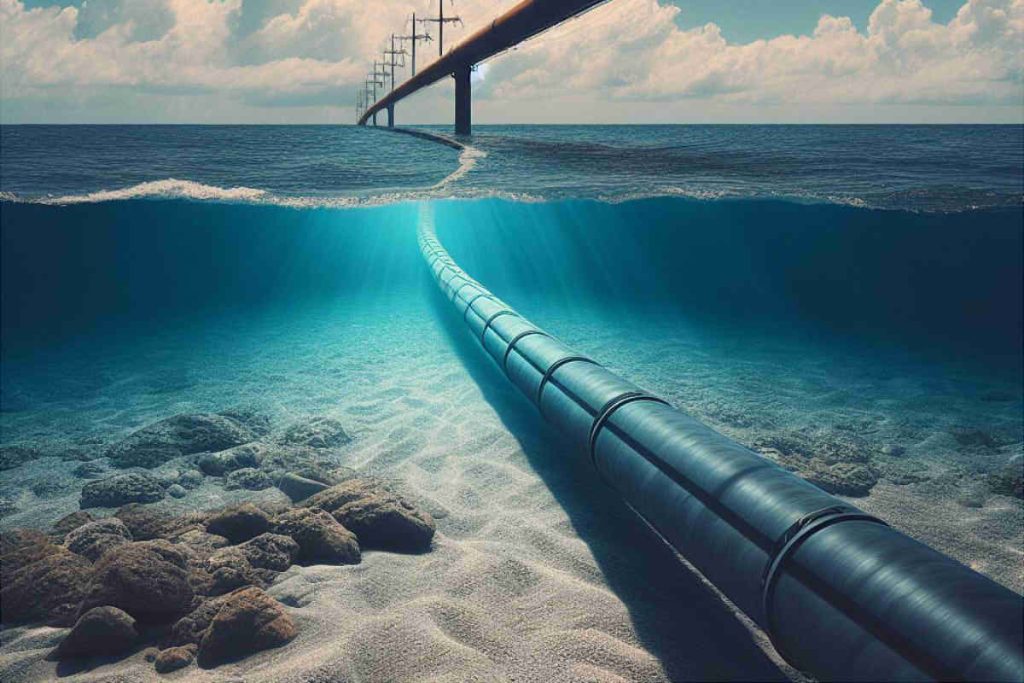
What Happened? The Damaged Submarine Cables
Two significant undersea cables were cut near the Swedish island of Öland, disrupting communication networks across the region:
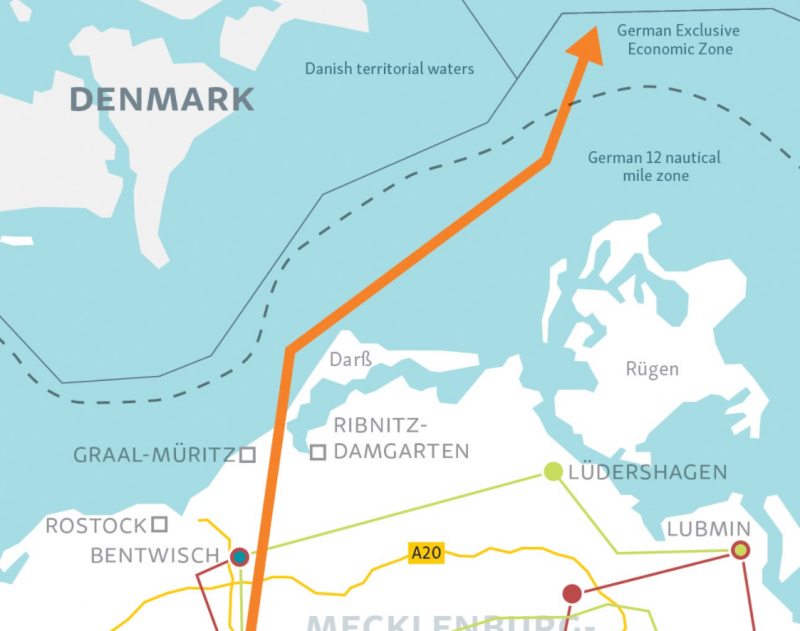
- C-Lion1 Cable: This vital connection between Finland and Germany was severed, impacting data transmission across Northern Europe.
- BCS East-West Interlink: A key cable linking Sweden and Lithuania was also damaged, raising further concerns about coordinated sabotage efforts.
Investigations are underway, with affected countries like Sweden, Finland, Germany, and Lithuania treating these events as deliberate acts.
Suspicions of Sabotage: Who Is Responsible?
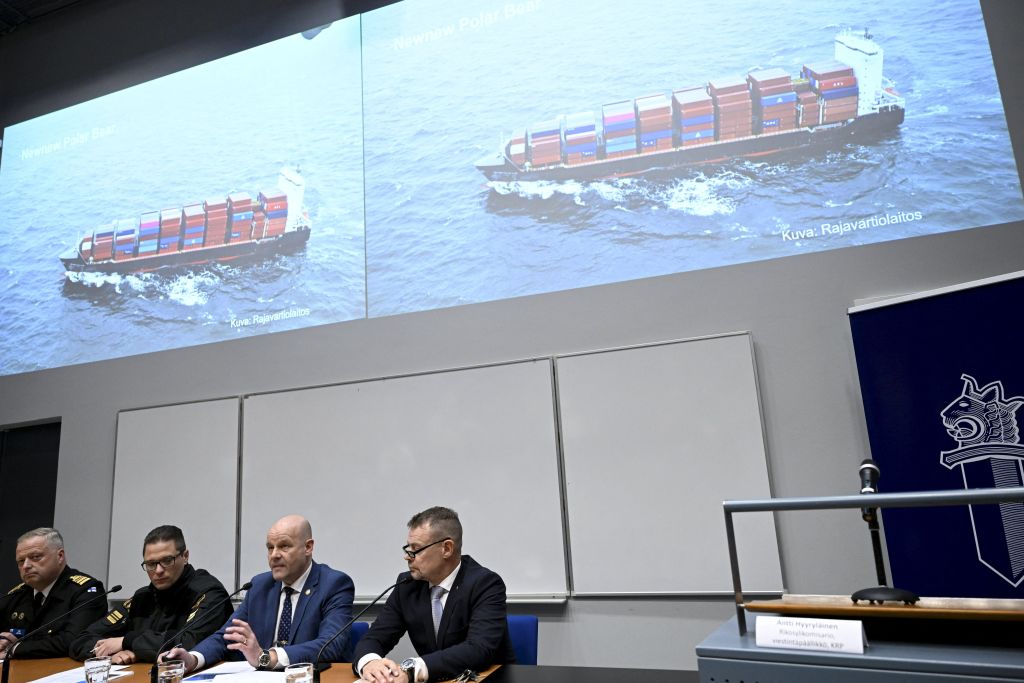
Authorities are focusing on the possibility of human involvement, as early findings dismiss natural causes. A Chinese cargo ship, the Yi Peng 3, has been detained in Denmark’s Kattegat Strait for suspected involvement. The vessel's tracked movements align with the areas where the cables were damaged, intensifying scrutiny. Meanwhile, European officials have also raised suspicions about Russian involvement, citing previous threats to critical infrastructure in the Baltic region.
Why Are Submarine Cables Vulnerable?
Submarine cables are the backbone of global internet and communication systems, transmitting over 95% of international data. Their strategic importance makes them an attractive target for sabotage:
- Accessibility: These cables lie on the ocean floor and are exposed to potential tampering by vessels or underwater devices.
- Geopolitical Tensions: Regions like the Baltic Sea are already fraught with tensions, increasing the likelihood of targeted attacks.
- Limited Surveillance: Monitoring underwater infrastructure across vast oceanic areas remains a challenge for most nations.
Broader Security Implications
These incidents underscore the need for enhanced measures to protect undersea infrastructure. NATO and European Union officials have repeatedly warned about the growing threat of state-sponsored sabotage targeting vital resources like pipelines and submarine cables.
The damaged cables caused service disruptions, though contingency plans minimized widespread outages. However, the events are a stark reminder of how vulnerable global communications systems are to targeted attacks.
What’s Next? Ongoing Investigations and Security Measures
Authorities are intensifying efforts to identify the perpetrators and prevent similar incidents in the future. Some measures under consideration include:
- Improved Surveillance: Deploying advanced underwater drones and sensors to monitor critical infrastructure.
- International Collaboration: Enhancing cooperation between nations to secure shared infrastructure.
- Hardening Infrastructure: Investing in more robust cable designs and protective enclosures to deter tampering.
Why This Matters
The sabotage of submarine cables in the Baltic Sea is a wake-up call for governments and industries worldwide. As the backbone of modern communication, these cables are essential to global trade, internet services, and security. Protecting them is no longer optional—it is a necessity.
Stay tuned as this developing story unfolds and learn more about how nations are responding to this emerging threat to critical infrastructure.
By addressing these risks now, global stakeholders can work to ensure the safety and reliability of the networks that power our interconnected world.


Comments
Post a Comment