Winter 2024-2025 Forecast: What to Expect Across North America
Winter 2024-2025 Forecast: What to Expect Across North America
As the winter season approaches, the 2024-2025 forecast suggests a significant shift in weather patterns across North America, potentially disrupting essential services like electricity and internet. With historical data highlighting the connection between extreme cold fronts and widespread outages, understanding and preparing for these impacts is crucial.
The National Oceanic and Atmospheric Administration (NOAA) predicts a La Niña event this winter, leading to colder-than-average temperatures and higher precipitation in regions like the Pacific Northwest and Great Lakes. Meanwhile, the southern United States may experience warmer and drier conditions. The Farmers' Almanac aligns with this outlook, forecasting frequent winter storms, especially in the northern plains and Great Lakes, while the Southwest may see milder weather.
The Link Between Cold Fronts and Infrastructure Failures
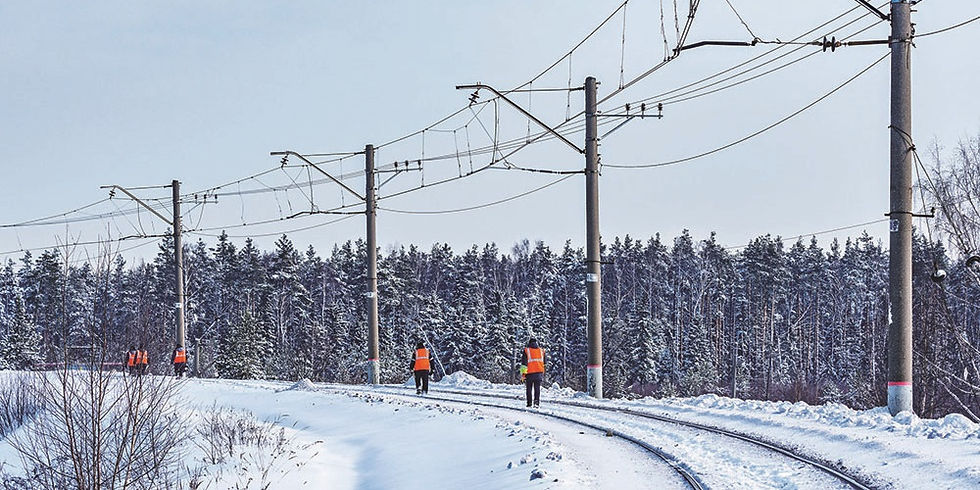
Over the last two decades, extreme cold fronts have significantly disrupted power and internet services across Mexico, the United States, and Canada. According to Climate Central, 80% of major power outages in the U.S. between 2000 and 2023 were caused by severe weather events, including winter storms.
One stark example is the February 2021 Texas power crisis. A record-breaking freeze overwhelmed the state’s power grid, leaving millions without electricity and internet for days. This event underscored the vulnerability of outdated infrastructure to extreme weather.
Winter Storms: A Growing Threat to Connectivity
Cold fronts pose dual challenges: they strain power grids and damage physical infrastructure. Heavy snow, ice storms, and freezing temperatures can knock down power lines and disrupt internet services. In Canada, similar disruptions occur annually during harsh winters, while northern Mexico has faced increased outages linked to climate variability.
Beyond infrastructure, demand surges during cold spells exacerbate the risk of blackouts. As people rely on heating systems, the pressure on energy grids intensifies, often resulting in cascading failures.
Proactive Measures to Mitigate Impacts
Governments and utility companies across North America must adopt preventative strategies to reduce the risks associated with severe winter weather:
- Modernizing Infrastructure: Upgrading power grids with weather-resilient materials can help withstand extreme conditions.
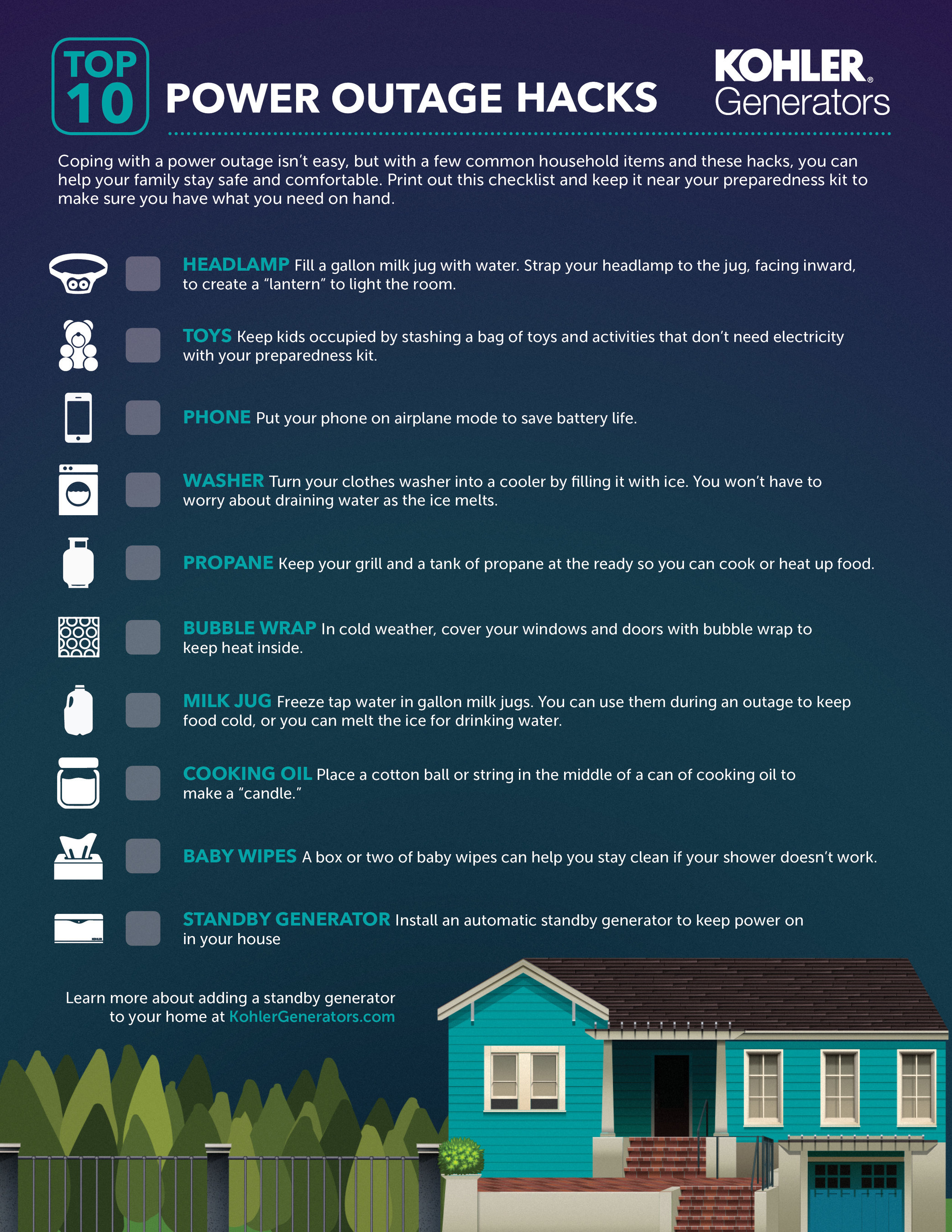
- Implementing Backup Systems: Communities and businesses should invest in generators and alternative power sources to ensure continuity during outages.
- Public Awareness Campaigns: Educating residents about preparation measures, like stocking up on essentials and maintaining backup communication tools, can minimize disruptions.
- Cross-Border Cooperation: Sharing resources and strategies between Mexico, the U.S., and Canada can enhance regional preparedness.
What to Watch for This Winter
As the winter of 2024-2025 unfolds, cold fronts could bring widespread challenges to power and internet reliability. Monitoring forecasts and planning ahead are essential steps for residents, businesses, and governments across North America.
By reflecting on past events and leveraging advanced forecasting tools, we can better anticipate and mitigate the impacts of extreme weather, ensuring that communities remain connected and resilient during the harshest months of the year.
This winter's forecast is a stark reminder of the importance of preparedness. By taking action now, North America can weather the storms and minimize disruptions to essential services. Stay informed, stay safe, and stay connected!


Comments
Post a Comment